Jury Selection and the Challenge of Fair Trials
The jury selection process raises important questions that go far beyond one famous case. It affects thousands of criminal trials every year and plays a major role in whether people believe the justice system is fair.
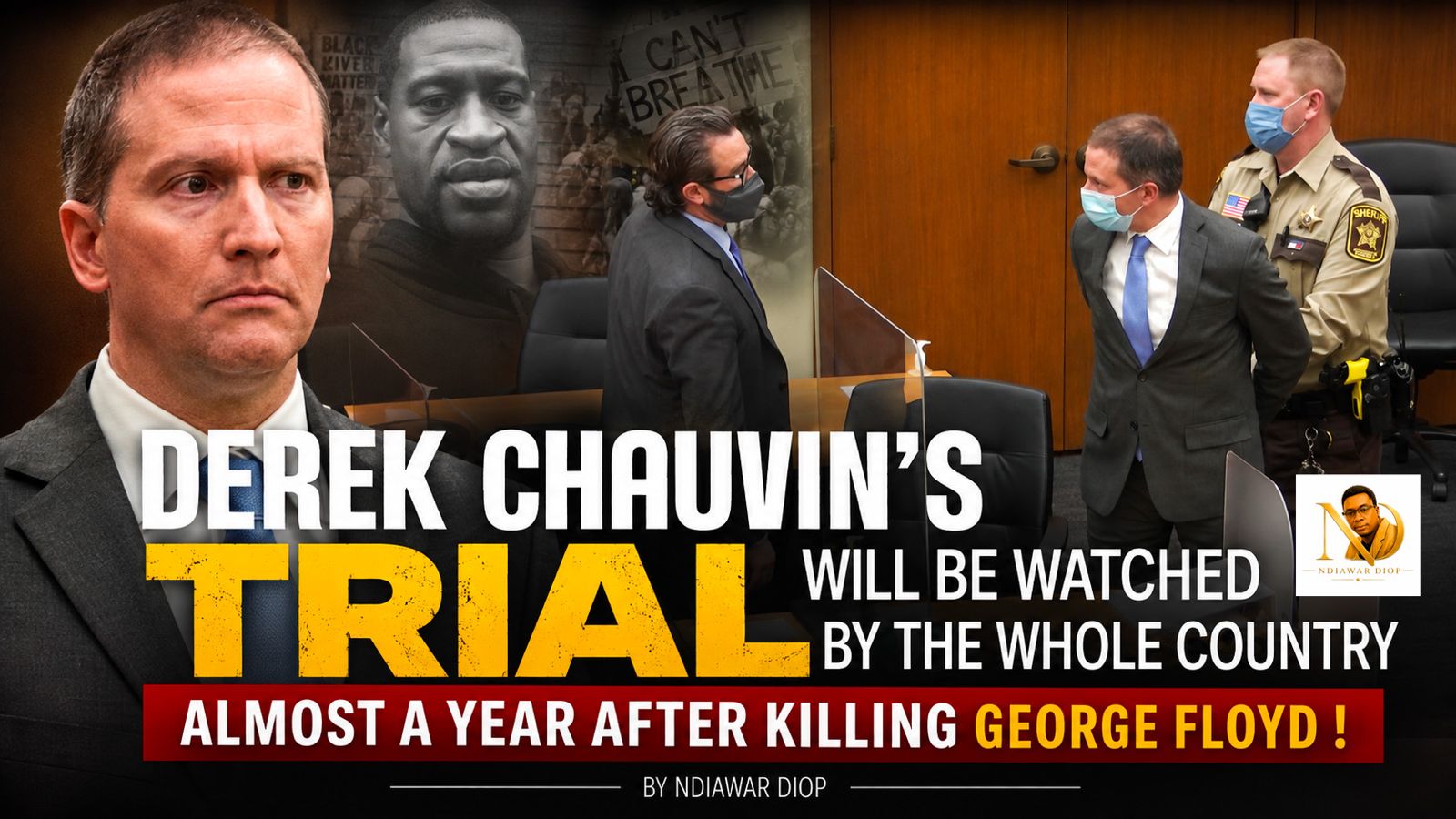
The trial of former police officer Derek Chauvin, charged in the death of George Floyd, brought these concerns into the national spotlight. Because the case received worldwide attention, choosing an impartial jury became one of the biggest challenges.
During jury selection, both the prosecution and the defense have the right to remove certain potential jurors if they believe those individuals may not be impartial. This is a legal part of the process and is intended to help both sides receive a fair trial. However, critics argue that this power can sometimes be misused, raising questions about whether jury selection is always fair and representative.
History has shown that jury selection has not always been free from discrimination. In some cases, courts have found that prosecutors or defense attorneys improperly excluded jurors because of their race, despite legal protections designed to prevent such practices. These cases have raised concerns about equal justice and public confidence in the legal system.
In high-profile trials like Chauvin’s, selecting a fair jury becomes even more difficult. Potential jurors may already have strong opinions because of extensive media coverage, public protests, or information they have seen online. Judges, prosecutors, and defense attorneys must work carefully to identify jurors who can decide the case based only on the evidence presented in court.
Diversity on a jury is often viewed as an important part of public confidence in the justice system. While the law does not require a jury to reflect every group in society, many believe that juries should represent the communities they serve as closely as possible.
The Chauvin defense sought to delay or move the trial, arguing that widespread publicity could make it difficult to find an impartial jury. Requests like these are not unusual in highly publicized cases and are part of the legal process designed to protect a defendant’s right to a fair trial.
The broader debate extends beyond this single case. Many Americans continue to question whether the criminal justice system treats everyone equally regardless of race, economic status, or social background. Others argue that reforms are needed to strengthen transparency, accountability, and public trust while ensuring that the rights of victims, defendants, and communities are equally protected.
A fair justice system depends on more than written laws. It depends on impartial judges, unbiased juries, ethical prosecutors, responsible defense attorneys, and public confidence that every person will receive equal treatment under the law. Achieving that goal requires constant effort, honest evaluation, and a commitment to justice for all.
But the jury selection process brings up some serious issues that apply to many trials, even the ones that aren’t as high profile. After Killing George Floyd, Chauvin Worries. As former police officer Derek Chauvin’s defense prepares for a trial the whole world will be watching, the question of jurors has become a central topic. The jury selection process is complicated, and what’s happening now shows how it can have major problems.

Chauvin’s defense has “struck” jurors from being selected, meaning they’ve used their power to remove people they thought would be biased. So far, some of that has been based on awareness about the case – including the settlement the Floyd family received – but this is a systemic issue. The power to strike jurors can be abused.

For example, Mississippi District Attorney Doug Evans systematically used his power to prevent Black jurors from serving. He did this over 70% of the time, for years! In Chauvin’s case, the issues are complicated.

The judge has removed jurors too, and the prosecution and the defense have agreed on some. But diversity is not necessarily guaranteed, although it’s considered important. Chauvin’s defense will act in his best interest, of course, which is why they want the trial moved or delayed.

One of the central problems here extends well beyond this case. The system is set up to protect and benefit police and reinforce white supremacy. It’s not set up to protect Black people; it’s set up to indict, confine, and execute us when possible. Fairness isn’t required – but racism is always present.
Ndiawar Diop